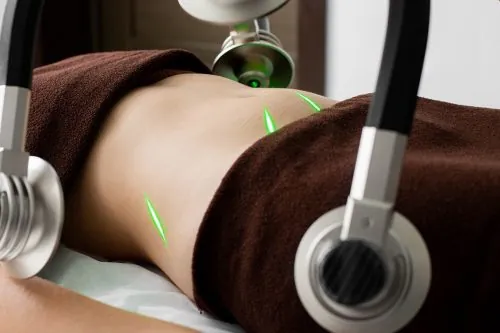
According to the latest annual audit by the British Association of Aesthetic Plastic Surgeons (BAAPS), more than 31,000 cosmetic procedures were carried out in the UK in 2022. These figures included 3,413 tummy tucks (abdominoplasty)and 3,002 liposuction procedures.
Demand for cosmetic surgery continues to rise sharply. In 2022 alone, abdominoplasty procedures increased by 129% compared to 2021, while liposuction procedures rose by 135%.
If you are considering liposuction or a tummy tuck in the coming months, it is vital that you are fully informed. You should understand the risks involved, know how to choose a qualified and experienced cosmetic surgeon, and ensure that high-quality aftercareis available.
In this article, we explain what can go wrong with liposuction and tummy tuck procedures, the key questions you should ask your surgeon, and when you may be entitled to bring a cosmetic surgery negligence claim.
What Can Go Wrong With Liposuction and Tummy Tuck Procedures?
It is normal to experience some side effects following liposuction or a tummy tuck. These may include:
- Bruising
- Swelling
- Discomfort
- Inflammation
- Minor scarring
These are expected side effects, not complications.
However, complications caused by medical negligence are vey different and may entitle you to bring a claim.
Signs of Possible Cosmetic Surgery Negligence
You may have grounds for a cosmetic surgery negligence claim if you experience:
- Constant or worsening pain
- Fluid build-up around the wound (seroma)
- Nerve damage
- A belly button positioned too high or too low
Normal side effects should gradually improve during recovery. If your symptoms worsen or persist beyond the expected recovery period (usually 3-6 weeks), this may indicate negligent treatment.
What Questions Should I Ask a Liposuction or Tummy Tuck Surgeon?
Although liposuction and tummy tucks are common procedures, they are still major surgical operations. You should never feel rushed into making a decision.
We recommend arranging a face-to-face consultations with at least three cosmetic surgeons before proceeding. This allows you to compare experience, approach, and aftercare standards.
1. Will I Meet the Surgeon at My Initial Consultation?
You should always meet the surgeon who will perform your operation. Speaking to them directly allows you to:
- Ask about their experience
- Understand how the procedure will be carried out
- Assess whether you feel comfortable and confident in their care
2. What Are Your Qualifications and Professional Memberships?
Do not assume a surgeon is properly qualified. Always check that they:
- Are listed on the General Medical Council (GMC)register as a specialist in plastic surgery
- are a Fellow of the Royal College of Surgeons (FRCS Plast)
- Belong to professional bodies such as:
– British Association of Plastic, Reconstructive and Aesthetic Surgeons (BAPRAS)
– British Association of Aesthetic Plastic Surgeons (BAAPS)
You should also confirm that the anaesthetist involved in your care is GMC-registered.
3. Is Liposuction or a Tummy Tuck Suitable for Me?
Your surgeon should confirm whether the procedure is safe and appropriatebased on:
- Your medical history
- Your current health
- Your expectations
They should review your medical records and carry out appropriate checks before recommending surgery.
4. What Are the Risks and How Will Complications Be Managed?
A reputable cosmetic surgeon should be open about:
- What can go wrong during or after surgery
- How complications are prevented
- How problems would be treated if they occur
You should also ask:
- Who pays for corrective treatment or further surgery?
- Is insurance in place for serious complications?
5. What Will My Recovery and Aftercare involve?
Make sure you understand:
- How your pain will be managed
- Whether physiotherapy is required
- When you can return home
- What activities you must avoid and for how long
High-quality aftercare is just as important as the surgery itself.
Can I Bring a Liposuction or Tummy Tuck Negligence Claim?
To bring a cosmetic surgery negligence claim, all three of the following must apply:
1. Were You Owed a Duty of Care?
All healthcare professionals owe patients a legal duty of care. This includes surgeons, nurses, and any medical professional responsible for your treatment.
2. Was That Duty of Care Breached?
You must show that the care provided fell below the standard expected of a reasonably competent cosmetic surgeon.
3. Did The Breach Cause You Harm?
It must be proven that the negligence directly caused your injury or worsened your outcome.
Time Limits for cosmetic Surgery Negligence Claims
Under the Limitation Act 1980, you usually have three years from:
- The date of the injury, or
- The date you became aware the injury was caused by negligence
In some cases, the Court may allow claims outside this time limit, so it is important to seek legal advice as soon as possible.
How NJS law Can Help With cosmetic Surgery Negligence Claims
At NJS Law, we have more than 200 years of combined legal experience representing clients in liposuction and tummy tuck negligence claims. We are committed to negotiating a settlement on your behalf.
To assess your claim, we may need:
- Your GP and hospital medical records
- Details of how your symptoms affect your daily life
- Information about medical expenses or future treatment costs
- Details of any complaints already raised
- Information about the surgeon or clinic involved
- How you paid for your treatment
- Details of any cosmetic procedures in the last 10 years
Speak to a Cosmetic Surgery Negligence Solicitor Today
If you believe you have suffered harm following liposuction or a tummy tuck, our team is here to help.
Tell us what happened using the enquiry form on this page.
Thinking about a claim? Read about Cosmetic Surgery Negligence Claims and how No Win No Fee works, or send us your enquiry.
No Win No Fee: The law limits our success fee to 25% of the compensation for pain, suffering and loss of amenity and for past financial losses, after any state benefits are repaid. Compensation for future losses is not counted. If you win, our success fee is deducted from your compensation. It is a percentage of our basic charges, and the law limits it as set out above. Any After the Event insurance premium is payable only if you win, and is never charged upfront. Your letter of engagement sets out exactly what you will pay for your type of claim, and we explain it before you sign. If you lose, you pay us nothing. This applies as long as you keep to your responsibilities under the agreement. You may have to pay costs if you end your claim early, fail to beat an offer the other side made, or a court finds your claim dishonest or exaggerated; where we have arranged After the Event insurance, it covers some of these costs if you keep to the policy's terms. See exactly what you pay.