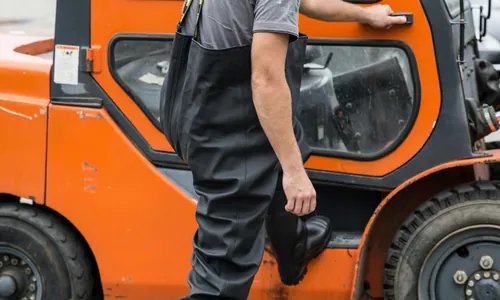
Accidents involving forklifts, workplace vehicles, and delivery lorries operating within work premises are among the most serious categories of workplace injury — and some of the most legally complex. The Provision and Use of Work Equipment Regulations 1998 (PUWER) and the Lifting Operations and Lifting Equipment Regulations 1998 (LOLER) impose strict duties on employers regarding the maintenance, inspection, and operation of forklifts and workplace vehicles. The Workplace (Health, Safety and Welfare) Regulations 1992 require employers to separate pedestrian and vehicle traffic routes to prevent collisions.
No Win No Fee: The law limits our success fee to 25% of the compensation for pain, suffering and loss of amenity and for past financial losses, after any state benefits are repaid. Compensation for future losses is not counted. If you win, our success fee is deducted from your compensation. It is a percentage of our basic charges, and the law limits it as set out above. Any After the Event insurance premium is payable only if you win, and is never charged upfront. Your letter of engagement sets out exactly what you will pay for your type of claim, and we explain it before you sign. If you lose, you pay us nothing. This applies as long as you keep to your responsibilities under the agreement. You may have to pay costs if you end your claim early, fail to beat an offer the other side made, or a court finds your claim dishonest or exaggerated; where we have arranged After the Event insurance, it covers some of these costs if you keep to the policy's terms. See exactly what you pay.
When these duties are breached — through inadequate maintenance, untrained operators, absent pedestrian segregation, or failure to carry out LOLER examinations — and you or a family member is injured, NJS Law’s specialist team will pursue full compensation on a No Win No Fee basis
This page is part of our Accident at Work Claims service.
If we do not win your case, you pay nothing.
No Win No Fee · SRA REGULATED · FREE ASSESSMENT
Injured in a forklift or workplace vehicle accident?
Find out if you have a claim.
Forklift accidents can cause catastrophic, life-changing injuries. NJS Law holds employers and their insurers fully to account — free assessment, no obligation
Check If You're Eligible With
Our Forklift or Workplace Vehicle Accident Claims Solicitors
Discover today if you’re eligible to make a claim. Tell us what happened using the enquiry form on this page.
What Is a Forklift or Workplace Vehicle Accident Claim?
A forklift or workplace vehicle accident claim is a legal claim for compensation against your employer — or another responsible party such as the vehicle owner, operator, or site manager —when a failure to comply with workplace vehicle safety law causes you injury.
This type of claim covers accidents involving any powered vehicle or mobile plant operating within a workplace: forklifts (counterbalance and reach trucks), pallet trucks, order pickers, telehandlers, side loaders, delivery lorries operating in yards and loading bays, dumpers, excavators, and any other motor vehicle or powered plant used in the course of work.
Common forklift and workplace vehicle accidents include:
- Pedestrian struck by forklift — the most common and most serious scenario; forklifts striking pedestrians in warehouse aisles, yard areas, or loading bays
- Forklift overturning — unstable loads, excessive speed around corners, driving on slopes without adequate precautions
- Load falling from forklift — inadequately secured loads collapsing onto pedestrians or the driver
- Vehicle reversing accident — delivery lorries or site vehicles reversing without a banksman or reversing aids, striking workers in loading bays or yards
- Forklift falling from loading dock or bay — absent dock edge protection or dock leveller failures
- Collision in workplace aisles — inadequate traffic management, absent separation between vehicle and pedestrian routes
- Overhead load accident — loads carried at excessive height, impeding driver visibility and creating overhead hazards for pedestrians
- Mechanical failure — braking failure, mast collapse, or tyre blowout due to inadequate maintenance or failure to carry out LOLER thorough examination
What Law Protects You in Forklift and Vehicle Accidents at Work?
Health and Safety at Work
Act 1974
The overarching duty on all employers to ensure, so far as is reasonably practicable, the health, safety, and welfare of all employees — including protection from falls when working at any height.
Provision and Use of Work Equipment Regulations 1998 (PUWER)
PUWER 1998 requires machinery to be suitable for its intended use, properly maintained and inspected, fitted with effective guards and other safety measures, protected against specific hazards, and operated only by workers who have received adequate information, instruction, and training.
Workplace (Health, Safety and Welfare) Regulations 1992
Regulation 17 requires employers to organise traffic routes to enable pedestrians and vehicles to circulate safely. Specific requirements include: separate pedestrian routes wherever reasonably practicable; adequate width for safe passage of vehicles and pedestrians; appropriate speed restrictions; effective warning and signage; and measures to prevent vehicles from striking pedestrians. A failure to segregate pedestrian and vehicle areas is one of the most common causes of forklift accident liability.
Lifting Operations and Lifting Equipment Regulations 1998 (LOLER)
Applies to all lifting operations on construction sites — crane lifts, telehandler lifts, MEWP operations. All lifting operations must be properly planned by a competent person, and all lifting equipment must be thoroughly examined at defined intervals.
Who Can Make a Forklift or Vehicle Accident Claim?
You may be able to make a forklift or workplace vehicle accident claim if you are:
- A pedestrian worker struck by a forklift or vehicle — the most common claimant in forklift cases
- A forklift or vehicle operator — injured due to a mechanical failure, overturning, or falling load caused by inadequate maintenance or LOLER failures
- A delivery driver — injured in a loading bay or yard area where the site owner failed to implement adequate traffic management
- A contractor or visitor — on business premises where the occupier failed to manage vehicle and pedestrian traffic safely
- A worker injured by an overhead load — falling from an improperly operated or overloaded forklift
- A dependant of someone killed in a forklift or vehicle accident — claims under the Fatal Accidents Act 1976
Where the forklift was hired rather than owned by your employer, both your employer and the hire company may be liable — your employer for failing to ensure the hired equipment was safe, and the hire company for supplying defective or inadequately maintained equipment.
NJS Law will identify all available defendants.
See: Can I Claim If the Accident Was Partly My Fault?
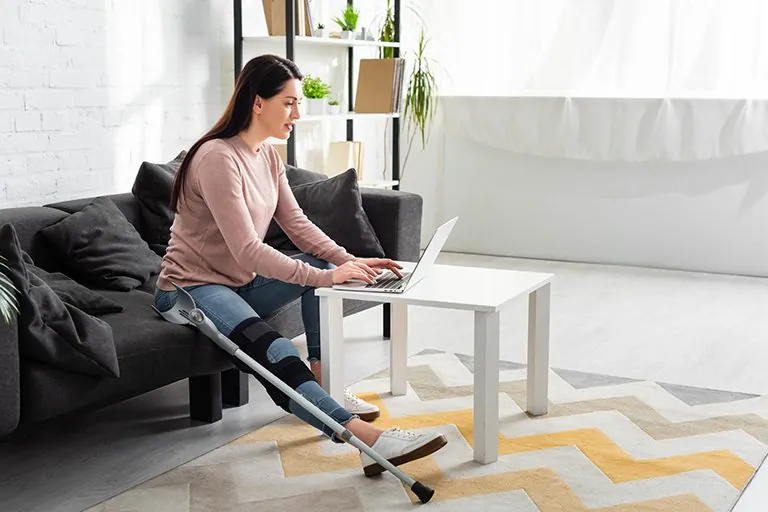
How Much Compensation for a Forklift or Vehicle Accident?
General Damages — Compensation for Your Injury
Forklift accidents frequently cause severe, life-changing injuries. Solicitors use the Judicial College Guidelines, 18th edition (2026) to estimate the value of your injury.
|
Injury Type |
Severity |
Approximate Range |
|
Leg fracture — moderate to serious |
Moderate to serious |
£36,680 to £72,440 |
|
Leg amputation — below knee |
Severe |
£129,440 to £175,690 |
|
Pelvis / hip fracture |
Moderate to severe |
£16,640 to £172,970 |
|
Foot / ankle crush injury |
Moderate to severe |
£18,150 to £92,520 |
|
Back injury (disc damage / fracture) |
Moderate to severe |
£16,520 to £212,670 |
|
Spinal cord injury — paraplegia / tetraplegia |
Most severe |
£289,420 to £533,720 |
|
Head / traumatic brain injury |
Minor to severe |
£2,920 to £533,720 |
|
Crush injury (thorax / abdominal) |
Serious to severe |
Variable — speak to a solicitor |
|
Fatal forklift accident |
— |
Variable — speak to a solicitor |
Special Damages — Compensation for Your Financial Losses
Forklift and vehicle accident claims frequently involve very substantial special damages — particularly where serious leg, spinal, or head injuries result in permanent disability and inability to return to work. Special damages include lost earnings (past and future), medical treatment, rehabilitation, care costs, home and vehicle adaptations, and prosthetics where limb loss has occurred. Interim payments can be applied for early in serious injury cases. See: General Damages vs Special Damages and Average Compensation Payouts.
NO UPFRONT COST · NOTHING TO PAY US IF YOU LOSE · FREE ASSESSMENT
Ready to find out what your claim could be worth?
Our team is here to help.
We have recovered £10m+ for our clients.
Figures are compensation before any deductions.
How Do You Make a Forklift Accident Claim? (Step by Step)
1. Seek Emergency Medical Attention
Forklift and vehicle accidents frequently cause crush injuries, fractures, and internal injuries requiring emergency treatment. Go to A&E immediately. Ensure medical notes record the cause of injury and describe what happened.
2. Report the Accident
Report the incident to your employer immediately. Most forklift accidents involving specified injuries or hospitalisations must be reported to the HSE under RIDDOR 2013. Ask for copies of all reports filed with both your employer and the HSE.
3. Photograph the Scene and Vehicle
Photograph the forklift, the accident location, any pedestrian exclusion zone markings (or their absence), and the floor surface. Note whether the forklift had a flashing amber light, a horn, and any warning signage. In warehouses, photograph the aisle layout and any missing pedestrian barriers.
4. Request CCTV Footage Immediately
Warehouses and distribution centres typically have extensive CCTV coverage. Request footage immediately — recordings are often overwritten within days. CCTV footage is often the most powerful evidence in forklift accident claims, showing the absence of segregation, the speed of the vehicle, and the lack of pedestrian awareness by the operator.
5. Note the Forklift Details and Collect Witness Information
Note the type and registration number or identifier of the forklift involved. Collect the names and contact details of all witnesses — colleagues, supervisors, and any visitors present. Note the operator’s name and whether they held a current forklift operator’s licence.
6. Contact NJS Law for a Free Assessment
Speak to one of our specialist employer liability solicitors as soon as possible. We will identify all potential defendants — your employer, the forklift owner, the hire company, and the operator’s employer — and advise on the strength of your claim.
7. We Investigate and Issue a Letter of Claim
We obtain all relevant evidence — LOLER thorough examination certificates, maintenance records, operator training records and licence documentation, traffic management plans, risk assessments, the RIDDOR report, and CCTV footage — and issue a formal Letter of Claim to the relevant insurer(s).
8. Expert Evidence, Negotiation, and Settlement
We instruct independent medical experts and where appropriate a forklift safety expert to examine compliance with PUWER, LOLER, and the Workplace Regulations. We apply for interim payments in serious cases and negotiate a settlement on your behalf. Most claims settle without going to court.
What Are the Time Limits for Forklift and Vehicle Accident Claims?
Under the Limitation Act 1980, there are strict time limits for bringing a personal injury claim. Act within these limits — missing the deadline is the most common reason valid claims cannot be pursued.
|
Claim Type |
Time Limit |
Notes |
|
Standard workplace accident |
3 years from date of accident |
The most common scenario |
|
Industrial disease or occupational illness |
3 years from date of diagnosis (or “date of knowledge”) |
Applies where symptoms developed gradually over time |
|
Child injured at work (or as a visitor) |
3 years from their 18th birthday |
A parent or guardian can bring a claim at any time before the child turns 18 |
|
Person lacking mental capacity |
If someone lacked mental capacity when the injury happened, the three years do not start until they regain it. If they lose capacity later, the time limit keeps running, so act quickly. |
A litigation friend manages the claim |
|
Fatal workplace accident |
three years from the death, or from when the family learned the facts if later |
Dependants may claim under the Fatal Accidents Act 1976 |
For a full explanation of all time limit exceptions and what to do if you are approaching your deadline, see our guide: Personal Injury Claim Time Limits in England and Wales.
For guidance on how long the claim process itself takes once you have started: How Long Does a Personal Injury Claim Take?
Case highlight
£3.7m - A life rebuilt after a devastating workplace accident
Forklift accident · Spinal injury · Employer negligence
Our client was seriously injured in a forklift accident at work. What followed was four years of rehabilitation, specialist hospitals, and legal complexity — with NJS Law by his side throughout.
“Nichola, my solicitor, took on two professional barristers who got my claim going. Without NJS Law, I wouldn’t have gotten this far. They helped me far beyond things I wouldn’t have known about.”
— NJS Law client, £3.7 million settlement
Nichola JohnsonSpecialist Solicitor · Employer & Serious Injury · Qualified 2014
Ready to find out what your claim could be worth?
Our team is here to help.
No Win No Fee Accident at Work Claims — Explained Clearly
All accident at work claims at NJS Law are handled under a Conditional Fee Agreement (CFA) — what most people call No Win No Fee. Here is exactly what that means for you:
- No upfront cost: You pay nothing to start your claim. There are no consultation fees, no retainer, and no disbursements charged upfront.
- No cost if you lose: You pay nothing upfront, and if you lose you pay us nothing.
- A success fee if you win: If your claim succeeds, we deduct a success fee from your compensation. We explain every deduction in writing before you sign.
- ATE insurance: Where we arrange After the Event insurance, it covers the other side's costs and your disbursements if you lose, on the policy's terms.
You can read a full plain-English explanation of how No Win No Fee agreements work at No Win No Fee Claims Page.
Meet Your Accident at Work Legal Team
Our dedicated solicitors specialise in slip and trip claims and have more than 200 years of combined legal experience securing fair compensation. We understand how stressful an accident can be and provide clear, supportive guidance throughout the process.
Contact us today for a free consultation and move forward with confidence under our No Win No Fee promise. Taking early legal advice can strengthen your claim and protect your rights.
No Win No Fee · SRA REGULATED · FREE ASSESSMENT
Injured at work? Find out if you have a claim.
680,000 workers were injured in the workplace in 2024–25. You may be entitled to compensation.
Why Choose NJS Law as Your Accident at Work Solicitors
Being injured at work can feel overwhelming, especially if you’re unsure of your rights or worried about your job. Our solicitors provide clear, honest advice and manage every aspect of your claim, so you can focus on recovery. We gather the evidence, value your claim and negotiate with the insurer.
Forklift and Vehicle Accident Claims – Frequently Asked Questions
Making an accident at work claim can feel overwhelming. Below we’ve answered themost common questions our clients ask. These cover eligibility, time limits, compensation, and what happens if your case goes to court.
Can I claim if the forklift driver was a colleague — not a manager?
Yes. Employers are vicariously liable for the negligent acts of their employees carried out in the course of their employment. If a colleague operating a forklift negligently struck you, your employer is liable for that negligence — even if the driver was not a manager. The driver’s individual culpability does not remove the employer’s vicarious liability. You do not need to sue your colleague personally.
What if I was the forklift driver and I was injured in the accident?
Forklift operators are entitled to claim just as pedestrian victims are. If your employer failed to maintain the forklift adequately, failed to carry out LOLER examinations, failed to provide adequate training, or sent you to operate in an environment that created foreseeable risks (uneven floors, excessive ramps, inadequate lighting), your employer may be liable for your injuries. Employers cannot simply blame the driver for accidents that proper maintenance and training would have prevented.
What LOLER requirements apply to forklifts?
Under LOLER 1998, all forklifts must be thoroughly examined by a competent person (typically a CFTS or accredited engineer) at least every 12 months. Where the forklift is used to lift people (for example, an order picker or man-up truck), the examination must be every six months. The thorough examination report must be retained. Employers must also ensure that forklifts are not used beyond their safe working load and that all lifting operations are properly planned. Failure to carry out LOLER examinations is a strict breach — if a mechanical fault caused your accident and examinations were overdue, liability is very likely.
My employer says pedestrian zones were marked — can I still claim?
Yes, in many circumstances. The mere painting of floor markings does not necessarily discharge your employer’s duty under Regulation 17 of the Workplace Regulations 1992. If the markings were faded, incomplete, inadequately signed, or not physically enforced by barriers, your employer may still be liable. CCTV footage showing that pedestrians routinely entered vehicle zones — without enforcement — strongly supports the argument that the system of segregation was not effective in practice.
Can I claim if I was a contractor visiting the site?
Yes. The duty under the Workplace (Health, Safety and Welfare) Regulations 1992 to manage traffic routes safely applies to all people on the premises — not just the employer’s own employees. Contractors, delivery drivers, and visitors who are lawfully on premises are protected. Where the accident occurred on a construction site under CDM 2015, the principal contractor may also owe a duty of care.
What if the forklift had not been maintained or the LOLER examination was overdue?
This significantly strengthens your claim and may result in an early admission of liability. Under LOLER 1998, the thorough examination schedule is not discretionary — it is a legal requirement. An employer who operates a forklift with an overdue or absent LOLER examination has committed a strict breach of statutory duty. If a mechanical failure caused your accident and LOLER records show examinations were not up to date, liability is highly likely to be established.
Can I claim if the vehicle accident happened in the yard or loading bay rather than inside?
Yes. The Workplace (Health, Safety and Welfare) Regulations 1992 apply to all areas of an employer’s premises — including external yards, loading bays, car parks, and delivery areas. If the employer failed to manage vehicle and pedestrian traffic safely in external areas, the same duties apply as in internal areas. PUWER and LOLER also apply to forklifts and vehicles operated in any part of the employer’s premises.
Do I need to have held a forklift licence to claim?
Forklift operators are generally expected to hold an accredited licence (RTITB, ITSSAR, or AITT). If your employer directed you to operate a forklift without proper training or certification, this is a significant breach of PUWER Regulation 8 — and your employer’s failure to train you is itself a ground of liability. If you were an adequately trained and licensed operator who was injured due to equipment failure or environmental hazards, the presence or absence of a licence is largely irrelevant to your claim.
What evidence is available in forklift accident claims?
Key evidence includes: CCTV footage (warehouses typically have extensive coverage — request immediately as recordings are overwritten quickly); LOLER thorough examination certificates and maintenance logs; operator training records and licence documentation; the RIDDOR report filed with the HSE; traffic management plan and risk assessments; witness statements from colleagues and supervisors; and medical records. Your solicitor will advise on further evidence specific to your accident.
How long do I have to make a forklift accident claim?
Three years from the date of your accident in most cases. For fatal accidents, three years from the death, or from when the family learned the facts if later. Do not delay — CCTV and maintenance records are often overwritten within days to months. Full time limit guidance: Personal Injury Claim Time Limits
Our solicitors have written a library of plain-English guides to help you understand your rights. Read the articles most relevant to your situation:

Accident at Work: What to Do Immediately -Complete UK Guide-
Injured at work? Learn the key steps to take straight away to protect your health, evidence, and legal rights.
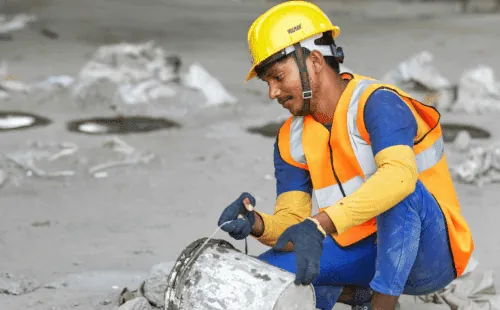
Accident at Work Claims: How Much Compensation Could You Get?
Find out how workplace injury compensation is calculated and what factors can affect the value of your claim.

No Win No Fee Accident at Work Claims – How It Works
Learn how No Win No Fee accident at work claims work and how you can start a claim without upfront legal fees.
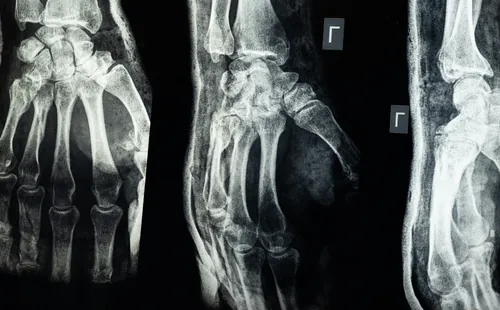
Personal Injury Claims: A Complete Step-by-Step Guide
A simple guide to the personal injury claims process, from starting your claim to reaching a settlement.

Can My Employer Sack Me for Making a Work Injury Claim?
Understand your rights if you are worried about your job after making a workplace injury claim.
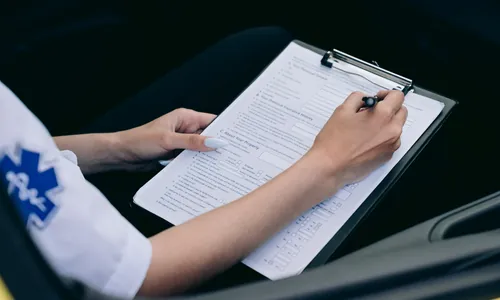
RIDDOR Explained — What Gets Reported and Why It Matters to Your Claim
Learn what RIDDOR is, which workplace accidents must be reported, and how it may support your claim.

Construction Site Accident Claims — A Complete Guide for Injured Workers
Find out your rights after a construction site accident and how to claim compensation for your injuries.

Machinery and Equipment Injury Claims — Your Rights Under PUWER 1998
Learn how PUWER 1998 protects workers injured by unsafe machinery, tools, or workplace equipment.
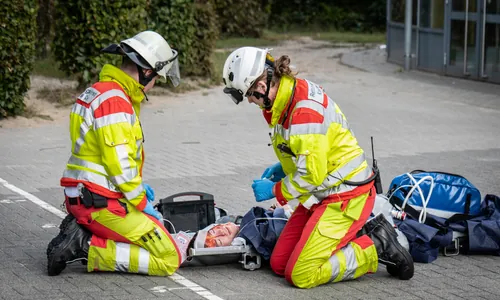
Falls from Height at Work Claims
Understand when you may be able to claim compensation after a fall from height at work.

How Long Does a Personal Injury Claim Take in England and Wales?
Find out what affects the length of a personal injury claim and what to expect during the process.
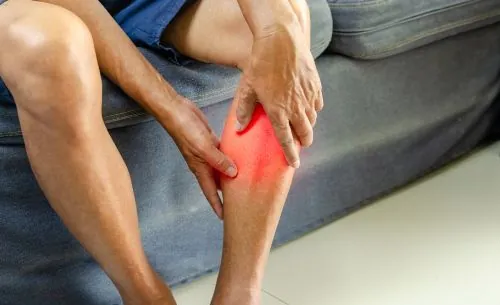
What Is The Most Common Worksite Personal Injury Claims?
Learn how PUWER 1998 protects workers injured by unsafe machinery, tools, or workplace equipment.

What Is the Average Personal Injury Compensation Payout in the UK?
Learn how personal injury payouts are assessed and why compensation varies from case to case.
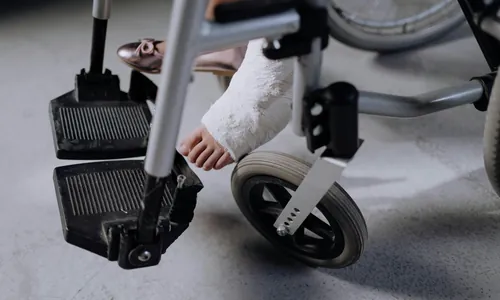
Personal Injury Claim Time Limits in England and Wales: A Complete Breakdown
Understand the key time limits for making a personal injury claim in England and Wales.

Can I Claim Personal Injury Compensation If the Accident Was Partly My Fault?
Find out how partial fault can affect your personal injury claim and compensation amount.

General Damages vs Special Damages: Personal Injury Compensation Explained
Learn the difference between compensation for pain and suffering and compensation for financial losses.
Interim Payments in Personal Injury Claims — What Are They and Can I Get One
Find out when interim payments may be available before your personal injury claim fully settles.
Thinking about a claim? Read about Accident at Work Claims and how No Win No Fee works, or send us your enquiry.